Investing in cities of the future: 7 top cities that will generate 10x profits by 2030
Views: 27
Investing in cities of the future: 7 top cities that will generate 10x profits by 2030
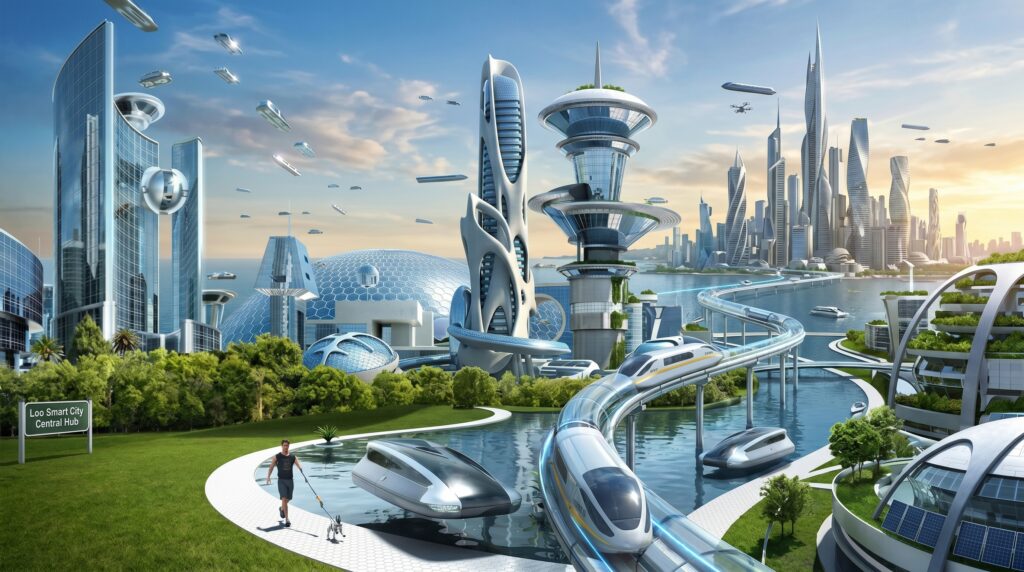
Cities of the future – or smart cities – are not just modern buildings or green spaces. They are dynamic ecosystems where IoT sensors, artificial intelligence, digital twins and data-driven management create an environment that adapts in real time. They optimize energy consumption, traffic, waste and quality of life, while reducing costs and increasing property values. From an investment perspective, this means that cities act as platforms where technology companies, real estate developers and governments create synergies that lead to high returns – especially in the era of ESG criteria (environment, social responsibility, governance) where investors prefer sustainable assets.
The global smart cities market is growing exponentially: it is projected to grow from nearly $700 billion in 2025 to $1,4-3,7 trillion by 2030, with a CAGR of 15-29%. This growth is supported by government investments, AI, IoT and EV infrastructure. In Estonia and Europe, this means the opportunity to invest directly or through funds, but the highest potential is in global flagships, where private investment receives state support.

What makes a city of the future profitable?
Cities of the future function as “living organisms”: sensors collect data (e.g. parking occupancy, air quality), AI analyzes it and optimizes resources. This brings savings (up to 30% in energy), increases the productivity of residents and attracts talented companies. For investors, this means higher rental income, an increase in property value (often 2–5x in the development phase) and new revenues from green bonds or data-based services. A lesser-known aspect: many projects are operating under “financialization” – cheap acquisition of land, increase in value with infrastructure and resale, as seen in Songdo. The risks include overhype and population adaptation, but by 2030 those who invest early will pay off.
Here are 7 cities with the highest 10x potential (combining real estate, tech, and sustainability) by 2030, based on market data and less common trends, according to analysis.
1. Singapore – Asia's Smart City Lab
Singapore is a leading model with the Smart Nation Initiative: integrated data management, autonomous transport and green buildings (80% of buildings to be green by 2030). Punggol Digital District brings in tech companies and creates added value for real estate. Lesser known: The city uses digital twins for planning, which reduces construction costs by 20-30% and attracts foreign investment. Property yields are stable at 4-6% plus capital appreciation, especially with an ESG focus. Potential: 5-10x long-term due to high density and innovation.
2. Dubai – Ambitious transformation
Dubai Smart City Strategy and Vision 2030 include AI Lab, blockchain and autonomous traffic. Investments in digital twin and green infrastructure (e.g. $100 billion by 2030) are transforming the city into a global hub. Lesser known: data-driven government services are generating new revenues (e.g. AI contributing AED 235 billion to the economy by 2030). Real estate benefits from tourism, talent and free trade zones. Risks low thanks to government support; expected 8-12%+ annual growth.
3. Neom (Saudi Arabia) – A giant green project
Neom, including The Line, is a $500 billion project – a fully sustainable city with AI and robotics. It attracts investment under Vision 2030, focusing on green energy and tourism. Lesser known: the city’s design (linear, 170 km long) radically optimizes transportation and resources, enabling high returns in new real estate segments. The potential is speculative, but state support provides a 10x chance for early investors.
4. Masdar City (Abu Dhabi) – A pioneer in sustainability
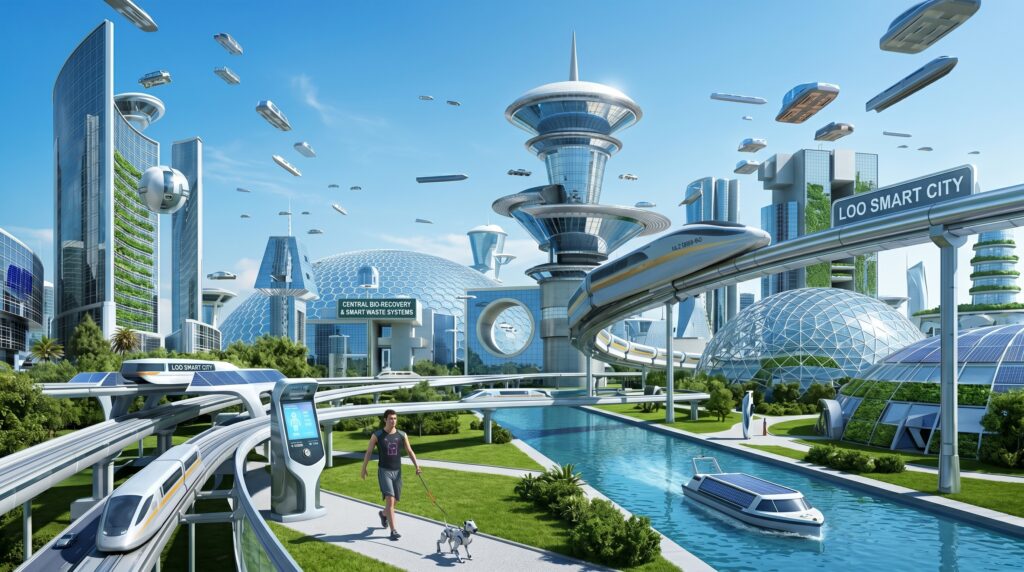
Masdar is a zero-carbon city with $15 billion already invested. Focus on clean energy, free zones and 100% foreign ownership. Lesser known: Integration with Mubadala Fund and green bonds creates a stable income stream. Real estate ROI is strong due to limited supply and growing demand for green assets. Ideal opportunities for residential and commercial properties.
5. Helsinki – Europe's people-centred model
Helsinki stands out with citizen-centric digital solutions (e.g. Kalasatama as a living lab) and a digital twin. It is an ESG leader with a focus on well-being and circular economy. Less known: open data and collaboration with start-ups create an innovation ecosystem that increases the value of real estate without huge investments. Accessible to European investors, 4–8x potential with lower risk.
6. Incheon/Songdo (South Korea) – A lesson in private investment
Songdo is a $35-40 billion private project with a green design (70% less emissions). Originally intended as a business hub, now a residential focus. Less well known: cheap land acquisition for developers boosted value 25x in the short term, demonstrating the power of financialization. More mature today, offers stable growth in an Asian context.
7. London or Paris (European Flagships) – A Strong Foundation for Growth
London and Paris lead the rankings in human capital and innovation, but need to improve sustainability. Large investments in digital infrastructure will bring sustainable growth. Less known: integration with the EU Green Deal creates subsidies and fund flows that favor real estate.
Conclusion and recommendations for Estonian investors
10x profit by 2030 is not a guarantee, but a possibility in the early phase (e.g. Neom, Masdar) combined with stable markets (Singapore, Helsinki). Diversify to mitigate risks: REITs, green funds or direct projects. In Estonia, follow similar trends (e.g. Tallinn 2030 vision) and invest globally through ETFs. Cities of the future reward those who understand the synergy of data and sustainability – not just bricks, but platforms.
Sources (selection of the main, about 49 search results and analysis in total): MarketsandMarkets, Grand View Research, IMD Smart City Index, official city websites (Masdar, Singapore Smart Nation), academic studies (Songdo cases) etc. Data is as of 2025–2026